In recent years, hybrid solar systems have emerged as a promising solution for meeting the world’s energy needs while reducing reliance on traditional power sources. Combining the benefits of both grid-tied and off-grid systems, hybrid solar systems offer flexibility, reliability, and increased energy independence. In this article, we’ll delve into the concept of hybrid solar systems, their components, benefits, and applications in the pursuit of sustainable energy solutions.
Understanding Hybrid Solar Systems
It integrates solar panels with battery storage and a backup generator to provide power even when the grid is unavailable. Unlike traditional grid-tied systems that rely solely on the grid for backup power or off-grid systems that operate independently, hybrid systems offer the best of both worlds.
Components of Hybrid Solar Systems:
1. Solar Panels
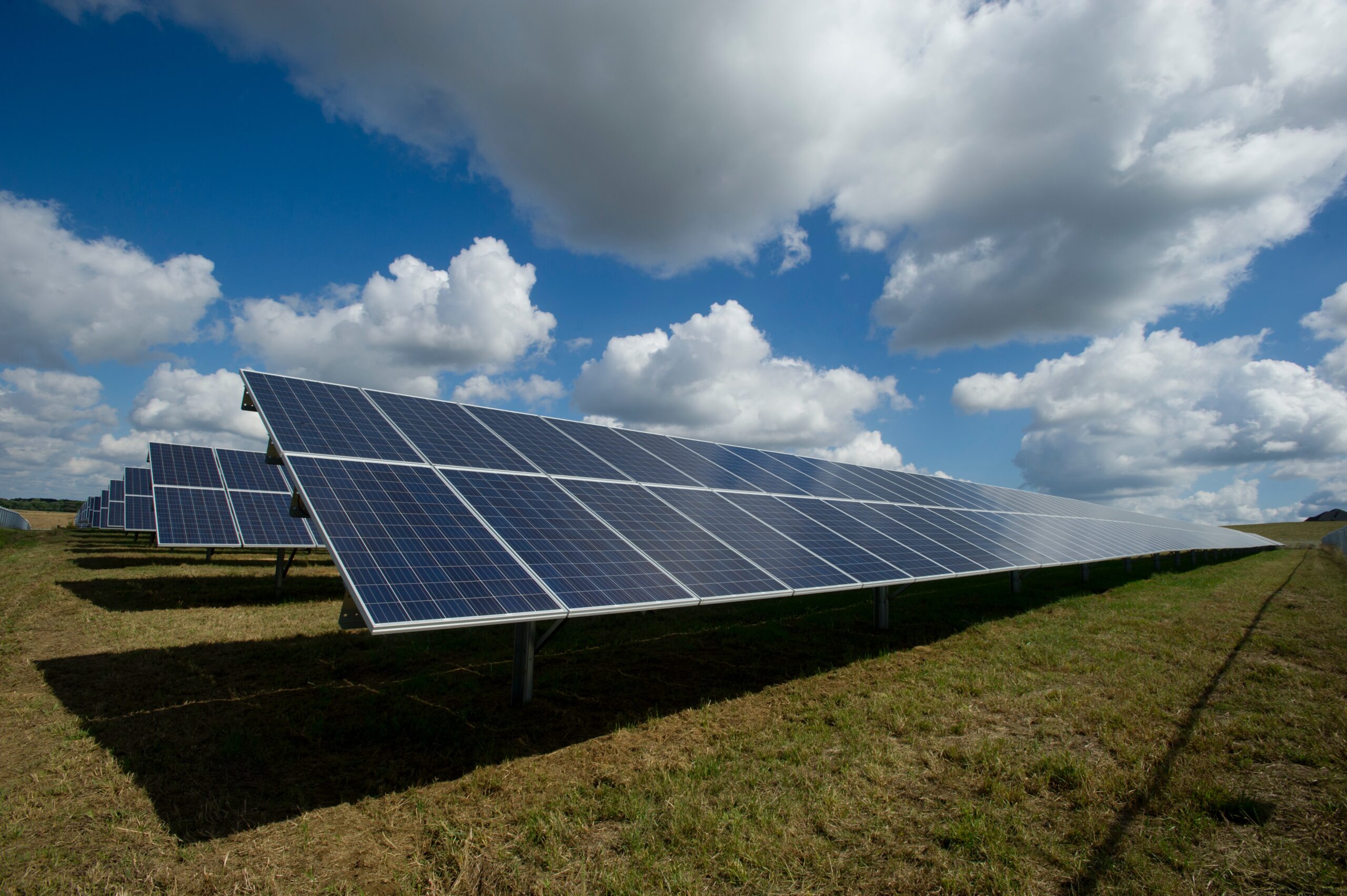
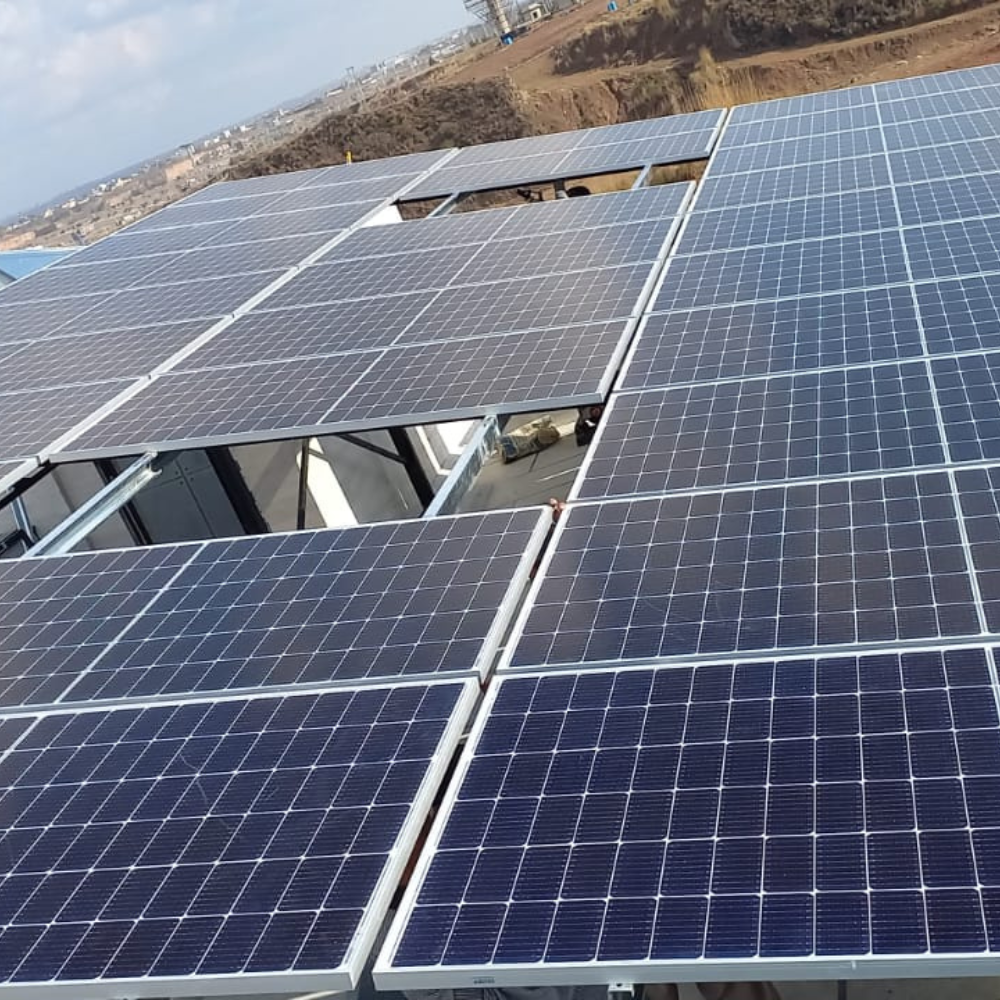
At the core of any hybrid solar system are solar panels, which capture sunlight and convert it into electricity. These panels can be mounted on rooftops or ground-mounted to maximize exposure to sunlight.
2. Inverters
Inverters play a crucial role in by converting the direct current (DC) generated by solar panels into alternating current (AC) used by household appliances. They also manage the flow of electricity between the solar panels, batteries, and the grid.
3. Batteries
Battery storage is a key component allowing excess solar energy to be stored for later use. During periods of low sunlight or grid outages, the batteries provide backup power, ensuring a continuous supply of electricity.
4. Backup Generator
Some may include a backup generator, typically fueled by diesel or propane, to provide additional backup power during extended periods of low sunlight or battery depletion.
Benefits :
1. Energy Independence
By combining solar energy with battery storage, it reduces reliance on the grid and provide greater energy independence, especially in areas prone to power outages or with unreliable grid infrastructure.
2. Increased Reliability
The presence of battery storage and backup generator ensures a reliable power supply even during adverse weather conditions or grid failures, making it an attractive option for both residential and commercial applications.
3. Cost Savings
While it may have higher upfront costs compared to traditional grid-tied systems, they offer long-term cost savings by reducing electricity bills and minimizing reliance on expensive grid power.
Applications:
1. Residential
It is ideal for residential properties, providing homeowners with a reliable source of clean energy and protection against power outages.
2. Commercial
Businesses can benefit from the reliability and cost savings offered by it, ensuring uninterrupted operations and reducing energy expenses.
Conclusion
It represent the future of sustainable energy, offering a flexible and reliable solution for meeting the world’s growing energy needs. By integrating solar power with battery storage and backup generation, hybrid systems provide energy independence, increased reliability, and long-term cost savings. As technology continues to advance and costs decline, It is poised to play a significant role in transitioning towards a more sustainable energy future.